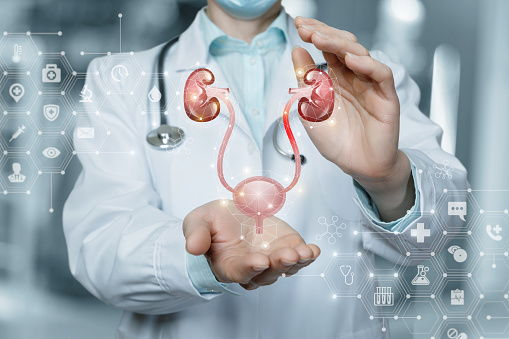
Urological Oncology stands at the intersection of advanced medical science and compassionate patient care, focusing on cancers that affect the urinary system and male reproductive organs. This specialized field has grown rapidly over recent decades, driven by technological innovation, improved diagnostic methods, and a deeper understanding of cancer biology prostate cancer treatment. As global cancer rates continue to rise, the importance of Urological Oncology becomes increasingly evident, offering patients hope through early detection, precise treatment, and long-term management strategies tailored to individual needs.
At its core, Urological Oncology addresses cancers such as prostate cancer, bladder cancer, kidney cancer, and testicular cancer. Each of these diseases presents unique challenges in terms of diagnosis, progression, and treatment. For example, prostate cancer is often slow-growing and may require careful monitoring rather than immediate intervention, while bladder cancer tends to recur and demands ongoing surveillance. Kidney and testicular cancers, on the other hand, often require more aggressive approaches but also have high cure rates when detected early. This diversity highlights the need for specialized expertise and personalized care plans within the field.
One of the most significant advancements in Urological Oncology has been the development of sophisticated diagnostic tools. Imaging technologies such as MRI, CT scans, and ultrasound allow clinicians to identify tumors with remarkable accuracy. Additionally, biomarkers and genetic testing have revolutionized early detection, enabling physicians to identify cancer at stages when treatment is most effective. These innovations not only improve survival rates but also reduce the physical and emotional burden on patients by minimizing unnecessary procedures.
Treatment strategies in Urological Oncology have also evolved considerably. Traditional methods such as surgery, chemotherapy, and radiation therapy remain essential, but they are now complemented by newer approaches like targeted therapy and immunotherapy. Targeted therapies focus on specific molecular pathways involved in cancer growth, offering a more precise and often less toxic alternative to conventional treatments. Immunotherapy, meanwhile, harnesses the body’s immune system to fight cancer, representing a promising frontier in oncology. These advancements allow for more effective treatment with fewer side effects, significantly improving patients’ quality of life.
Minimally invasive surgical techniques have further transformed the landscape of Urological Oncology. Procedures such as laparoscopic and robotic-assisted surgeries enable surgeons to remove tumors with greater precision and less trauma to surrounding tissues. Patients benefit from shorter hospital stays, reduced pain, and faster recovery times. These techniques are particularly valuable in delicate areas such as the prostate and kidneys, where preserving function is as important as eliminating disease.
Patient-centered care is another cornerstone of Urological Oncology. Beyond treating the disease, specialists focus on addressing the physical, emotional, and psychological needs of patients. A cancer diagnosis can be overwhelming, and comprehensive care involves clear communication, counseling, and support throughout the treatment journey. Multidisciplinary teams, including urologists, oncologists, radiologists, and nurses, work collaboratively to ensure that each patient receives holistic and coordinated care.
Preventive measures and lifestyle modifications also play a critical role in Urological Oncology. While not all cancers can be prevented, certain risk factors such as smoking, poor diet, and lack of physical activity are linked to urological cancers. Public awareness campaigns and regular screenings can help detect cancer early or reduce the likelihood of its development. For instance, routine prostate-specific antigen (PSA) testing and urine analysis can aid in identifying abnormalities before symptoms appear.
Research and innovation continue to drive progress in Urological Oncology. Clinical trials are exploring new drugs, treatment combinations, and technologies that may further improve outcomes. Advances in genomics and precision medicine are paving the way for highly individualized therapies based on a patient’s genetic profile. This approach not only enhances treatment effectiveness but also minimizes adverse effects, making cancer care more efficient and patient-friendly.
The global impact of Urological Oncology cannot be understated. As healthcare systems strive to manage the growing burden of cancer, this field contributes significantly by improving survival rates and reducing long-term complications. Access to quality care remains a challenge in many regions, highlighting the need for increased investment in healthcare infrastructure, training, and public education. Bridging these gaps is essential to ensure that all patients, regardless of location, can benefit from advancements in cancer treatment.
Education and awareness are equally important in shaping the future of Urological Oncology. Medical professionals must stay updated with the latest research and technologies, while patients should be encouraged to seek regular check-ups and report symptoms promptly. Early detection remains one of the most effective ways to combat cancer, and empowering individuals with knowledge can make a substantial difference in outcomes.
The emotional dimension of cancer care is another area where Urological Oncology has made strides. Support groups, counseling services, and survivorship programs help patients cope with the challenges of diagnosis, treatment, and recovery. Addressing mental health alongside physical health ensures a more comprehensive approach to care, fostering resilience and improving overall well-being.
In conclusion, Urological Oncology represents a dynamic and vital field within modern medicine, dedicated to combating cancers of the urinary and reproductive systems. Through continuous innovation, patient-centered care, and a commitment to research, it has significantly improved the lives of countless individuals. As science advances and awareness grows, the future of Urological Oncology holds even greater promise, offering new possibilities for prevention, treatment, and ultimately, cure.